
Model United Nations
What is MUN?
Model United Nations (MUN) is an academic simulation of the United Nations, where students take on the roles of delegates representing different countries. In MUN conferences, participants debate global issues, propose solutions, and work together to draft resolutions just like real diplomats and ambassadors do at the United Nations(UN).
UAMUN
United Academy Model United Nations is a flagship event where students engage in simulated diplomatic debates and discussions on pressing global issues. It offers a dynamic platform for young minds to explore international perspectives and develop a deeper understanding of diplomacy and current affairs.
Find out the UAMUN detailed program below:
UAMUN 1.0 - Event Overview
United Academy Model United Nations (UAMUN) 1.0 was a landmark educational event designed to simulate the workings of the United Nations, fostering diplomacy, critical thinking, and global awareness among student delegates. Organized with the collaboration of experienced committee chairs and an executive board, the conference brought together over 200 participants to engage in rigorous debates on pressing international issues. Spanning three days, UAMUN provided a platform for students to develop research, public speaking, and negotiation skills while deepening their understanding of global governance and cooperation. The event marked a successful first edition, laying a strong foundation for future iterations.
- Day 1: The day proceeded well with sessions, lunch breaks, and social events. The opening ceremony attendees included dignitaries from the host institute and its partner organizations.
- Day 2: Heavy registration activity early morning showed increased participation. The Press Meet allowed committee chairs to engage with media representatives. The General Assembly tackled a complex crisis simulation.
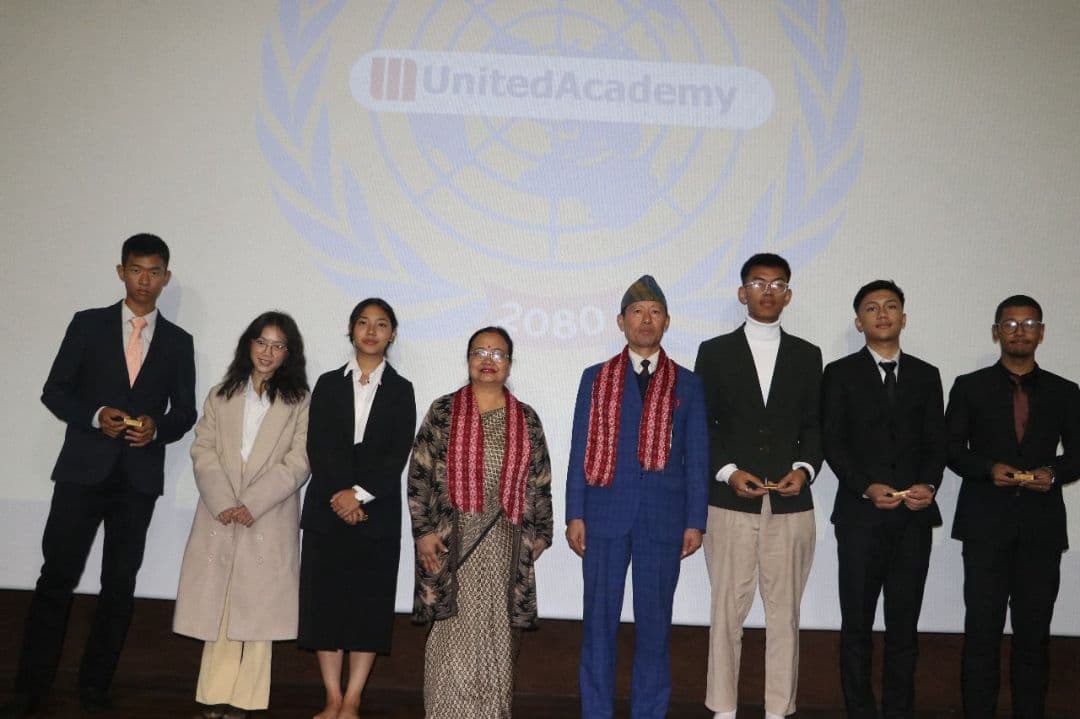
- Day 3: High intensity with multiple press conferences and committee finalizations. Despite a late start due to protocol, the closing ceremony recognized delegates’ achievements and featured speeches from honored guests.
UAMUN 2.0 - Event Overview
UAMUN 2.0 was a three-day Model United Nations conference involving multiple committees, including the UN Human Rights Council (UNHRC), Security Council (UNSC), Development Programme (UNDP), Economic and Social Council (ECOSOC), Disarmament and International Security Council (DISEC), UN Women, UNICEF, and a Press Corps. The event included 203 delegates and various executive board and organizing committee members, a total participation of 234 people.
- Day 1: Commenced with a slight delay. Initial challenges included Wi-Fi access and food service miscommunication. Committee sessions largely focused on mock topics to orient delegates.
- Day 2: Improved coordination addressed previous issues. Committee sessions focused on substantive debates, supplemented by a social acoustic event boosting morale.
- Day 3: Culmination of intense committee debates with resolution drafting. The event concluded with a ceremony awarding outstanding delegates and recognizing collective achievements.
UAMUN 3.0 - Event Overview
UAMUN 3.0 was organized by United Academy Group (UAG) and held on 2082 Magh 16, 17, and 18 at United School Imadol. The three-day Model United Nations event brought together students from Grade 9, 11, and 12 to to take part in a three-day Model United Nations conference.
Model United Nations (MUN) is a learning activity where students act like real diplomats. Each student represents a country and speaks about world issues. They share ideas, listen to others, and work together to find solutions. Through this process, students learn public speaking, teamwork, leadership, and critical thinking.
UAMUN 3.0 once again showed how Model United Nations can inspire students to become confident speakers and responsible future leaders. The event included 175 delegates and various executive board and organizing committee members, a total participation of 206 people.
- Day 1: The event began with the opening ceremony, where guests welcomed the delegates. Students received their committee roles and started their first discussions. Delegates shared their ideas and learned how formal debates work in MUN committees.
- Day 2: On the second day, committee sessions continued. Delegates debated topics, worked in groups, and started writing resolutions. These resolutions are written plans that suggest solutions to global problems. The day also included social activities that helped students connect and enjoy the event.
- Day 3: The final day included the last round of committee discussions and resolution voting. After the sessions, the closing ceremony was held. Delegates received certificates to recognize their participation and effort. The event ended with celebrations and group activities.
Things to Know Before Your First Conference
Attending your first United Academy Model United Nations (UAMUN) conference can feel overwhelming, but being prepared makes all the difference. Here are the key things every beginner should know:
- Understand the UN: The United Nations promotes global cooperation, but its resolutions are mostly non-binding. It’s more about diplomacy than law-making.
- Know What UAMUN Is: UAMUN is a simulation of the UN where students represent countries, debate issues, and try to pass resolutions, all while developing diplomacy and leadership skills.
- Types of Committees:
- General Assemblies: Large, formal, and topic-focused.
- Specialized Committees: Smaller, often simulate specific global or national bodies.
- Crisis Committees: Fast-paced and unpredictable, with evolving scenarios.
- Parliamentary Procedure: UAMUN uses formal rules for debate. Learn terms like motions, points of inquiry, and speaking in the third person (e.g., the delegate of Nepal).
- Working Papers: Draft documents with your proposed solutions. They include sponsors, signatories, and formal clauses.
- Research Skills: Go beyond the background guide. Learn your country’s stance, allies, and real-world actions.
- Position Papers: Pre-conference papers outlining your country’s views and proposed solutions.
- National Sovereignty: A key MUN term refers to a country’s right to govern itself without outside interference.
- Enjoy the Experience: It’s normal to be nervous. Focus on learning, speaking up, and having fun. It gets easier with practice!